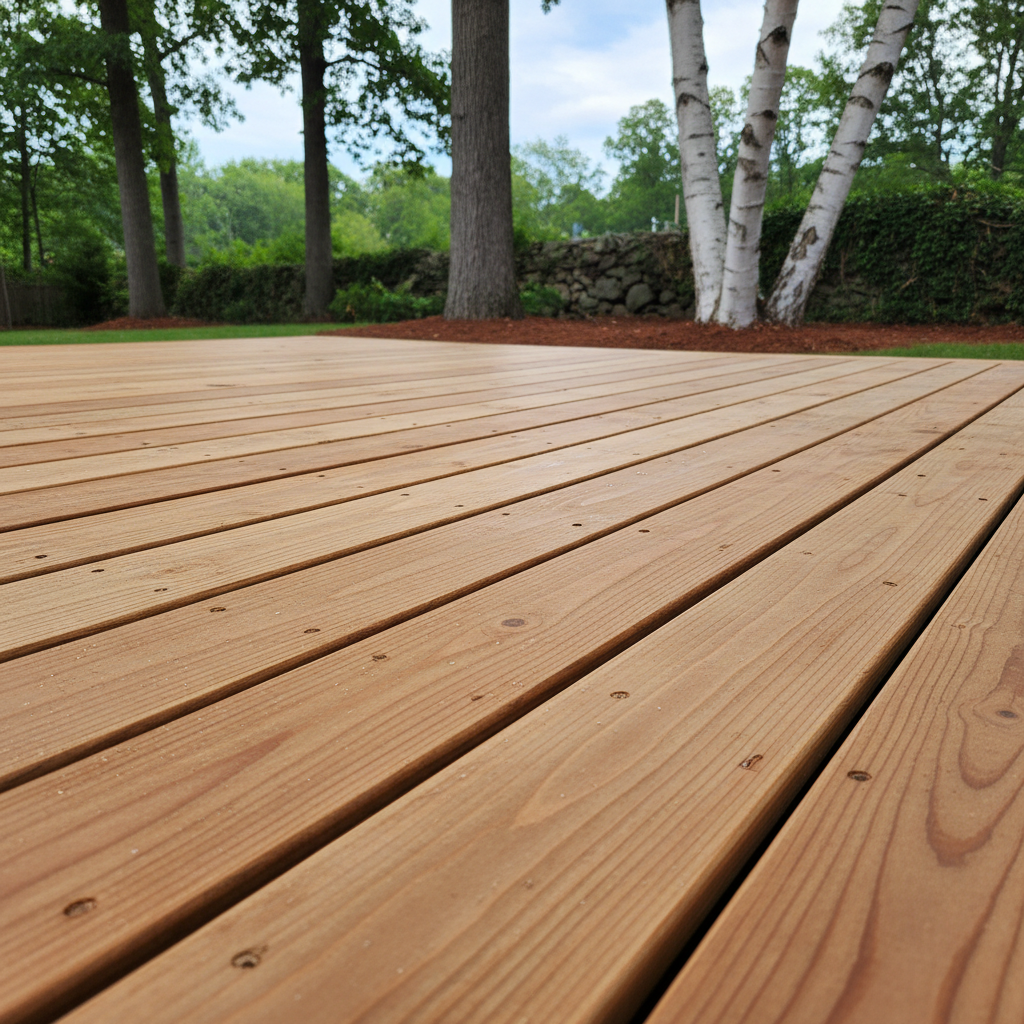
So, you're dreaming of a new wooden deck for your place here in Milford. Maybe you want a spot to grill out by the beach, or just a nice, sturdy platform to enjoy those long summer evenings. It's a great investment, and something you'll get a ton of use out of. But before you grab a hammer, let's talk about what's involved, and how you can make sure your project goes smoothly.
Before You Build: Planning & Permits
This is where most folks either get it right or run into a wall. You can't just start digging holes in your backyard. First off, you need a plan. What size deck? What shape? How high off the ground? Think about how you'll use it – dining, lounging, a hot tub? That'll dictate a lot.
Next, and this is crucial for anyone in Milford, you need to check with the city's building department. Every deck, no matter how small, usually requires a permit. They'll want to see your plans, and they'll make sure it meets local zoning laws and building codes. Don't skip this step! Building without a permit can lead to fines, forced demolition, or issues when you try to sell your house down the line. It's a pain, I know, but it's non-negotiable. They'll also tell you about setbacks from property lines and how close you can build to your house. This is definitely a 'you' job – gathering your ideas and submitting the paperwork.
While you're planning, think about materials. Pressure-treated pine is common and affordable, but cedar and redwood look great and are naturally rot-resistant, though pricier. Composite decking is another option, but we're talking wood here, so let's stick to that for now. Consider the climate too; we get some pretty wet springs and humid summers here, so proper drainage and material choice are key to longevity.
During Construction: DIY vs. Pro
Alright, plans are approved, permits are in hand. Now for the fun part: building! This is where the 'DIY or call a pro' question really comes into play.
Footings & Framing: Call a Pro
I'm going to be direct here: unless you're a seasoned carpenter with experience in structural work, leave the footings and framing to a professional. This is the foundation of your deck. If it's not done right, your deck will sag, wobble, or even become dangerous. Digging proper footings below the frost line (which is about 42 inches deep around here to prevent heaving), pouring concrete, and accurately building a level, square frame is complex. It requires specific tools, knowledge of load-bearing capacity, and precision. Ace Decks, for example, has built hundreds of these things. We know exactly what's needed to make it solid and safe.
Decking & Railings: DIY Potential
Once the frame is up and inspected, laying the actual deck boards? That's something many homeowners can tackle. It's repetitive, requires careful measuring and cutting, and a good eye for spacing, but it's not structural in the same way. You'll need a good miter saw, a drill, and patience. Same goes for railings. If you're using pre-made balusters and top rails, it's a very achievable DIY project. Just make sure your posts are rock-solid and the railing height meets code – usually 36 inches for residential decks.
Stairs are a bit trickier. Getting the rise and run consistent and comfortable takes some math and careful cuts. If you're not confident, that's another area where a pro can save you a lot of headaches (and potential trips and falls).
After It's Built: Finishing & Maintenance
Your beautiful new deck is standing! Now what? Don't just leave it raw. Wood needs protection, especially with our coastal weather. You'll want to clean it thoroughly first to remove any dirt or mill glaze.
Staining & Sealing: Mostly DIY
Applying a good quality stain or sealant is definitely a DIY job. It's labor-intensive, but not technically difficult. Choose a product designed for exterior decks that offers UV protection and water repellency. You'll need brushes, rollers, or a sprayer. Take your time, apply it evenly, and follow the manufacturer's instructions. This step is vital for preventing rot, mildew, and splintering. You'll likely need to reapply every few years, depending on the product and how much sun your deck gets.
Ongoing Checks: You're the Boss
Regular maintenance is key to a long-lasting deck. Walk around your deck once a year, maybe in the spring. Look for loose boards, popped nails or screws, splintering wood, or any signs of rot, especially where wood meets the ground or other structures. Check your railings for wobbles. If you see anything concerning, address it promptly. Small issues become big, expensive problems if ignored.
Building a deck is a big project, but a rewarding one. By understanding what you can realistically do yourself and when it's smart to bring in a professional for the critical structural elements, you'll end up with a safe, beautiful deck that adds value and enjoyment to your Milford home for years to come.